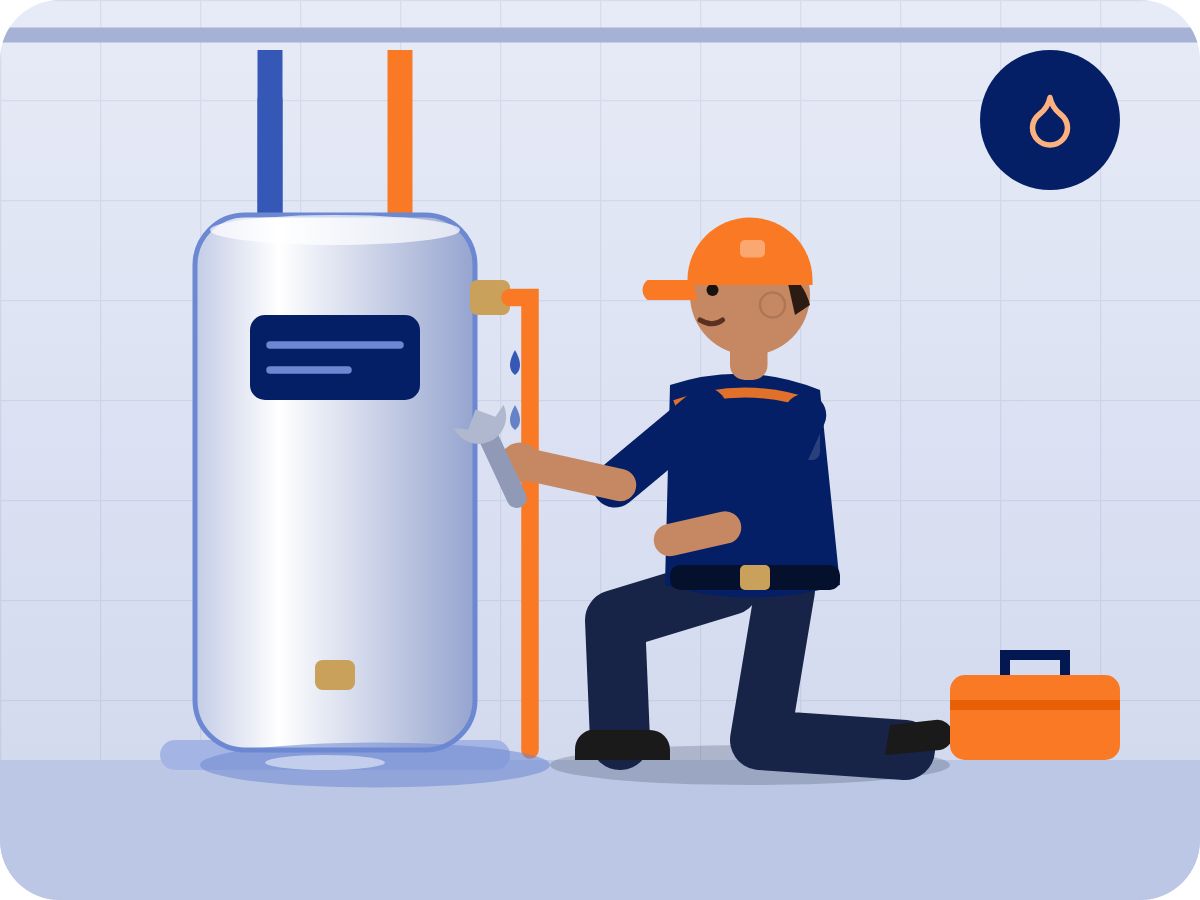
What is emergency water heater leak repair?
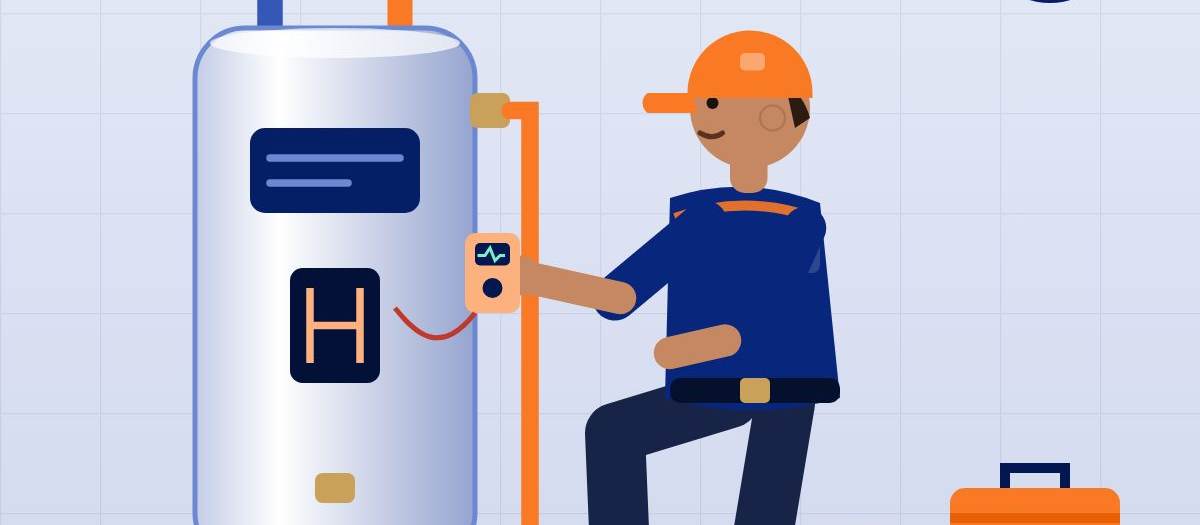
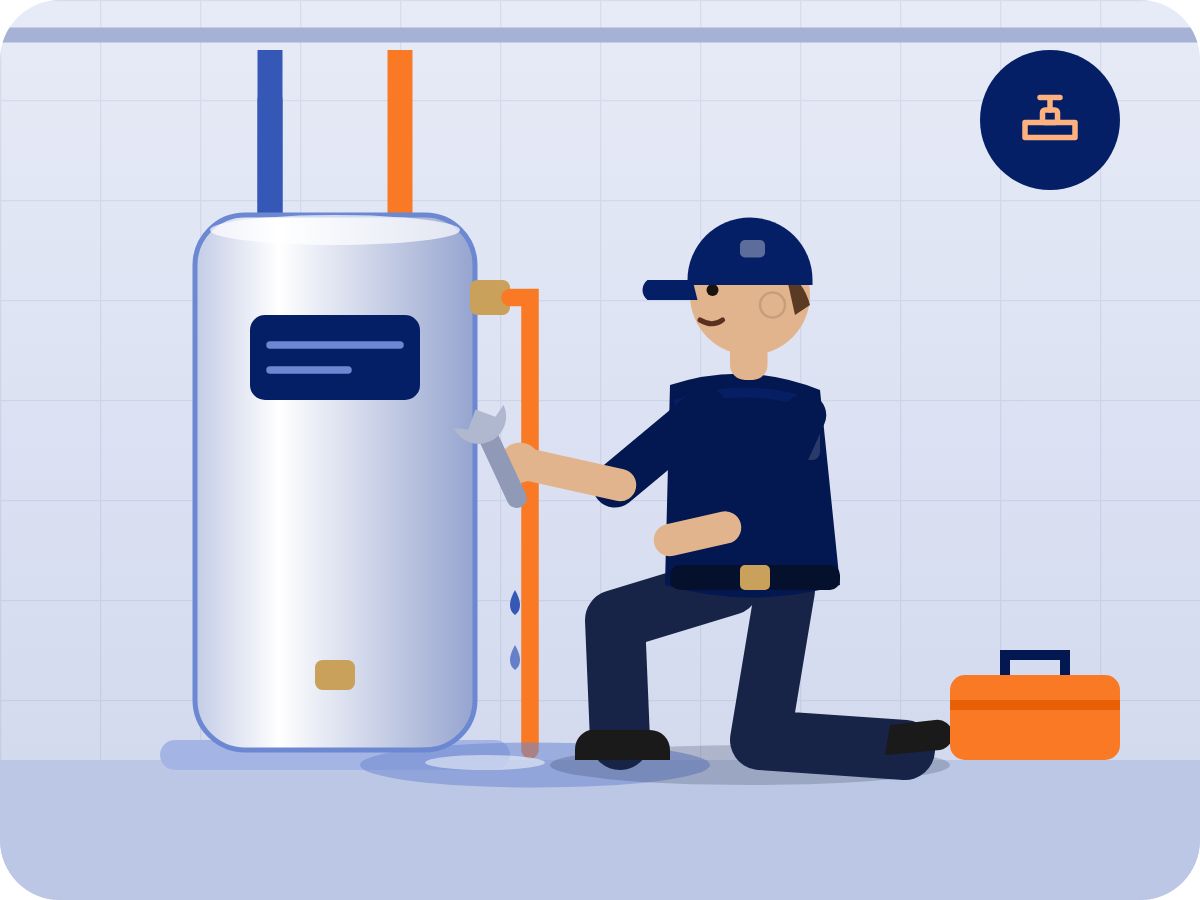
Emergency water heater leak repair is the same-visit response to a heater that is actively losing water. The order of work is different from a routine repair: first stop the water, make the unit safe and protect the room around it, then decide whether the leaking part can be fixed or the heater has to be replaced.
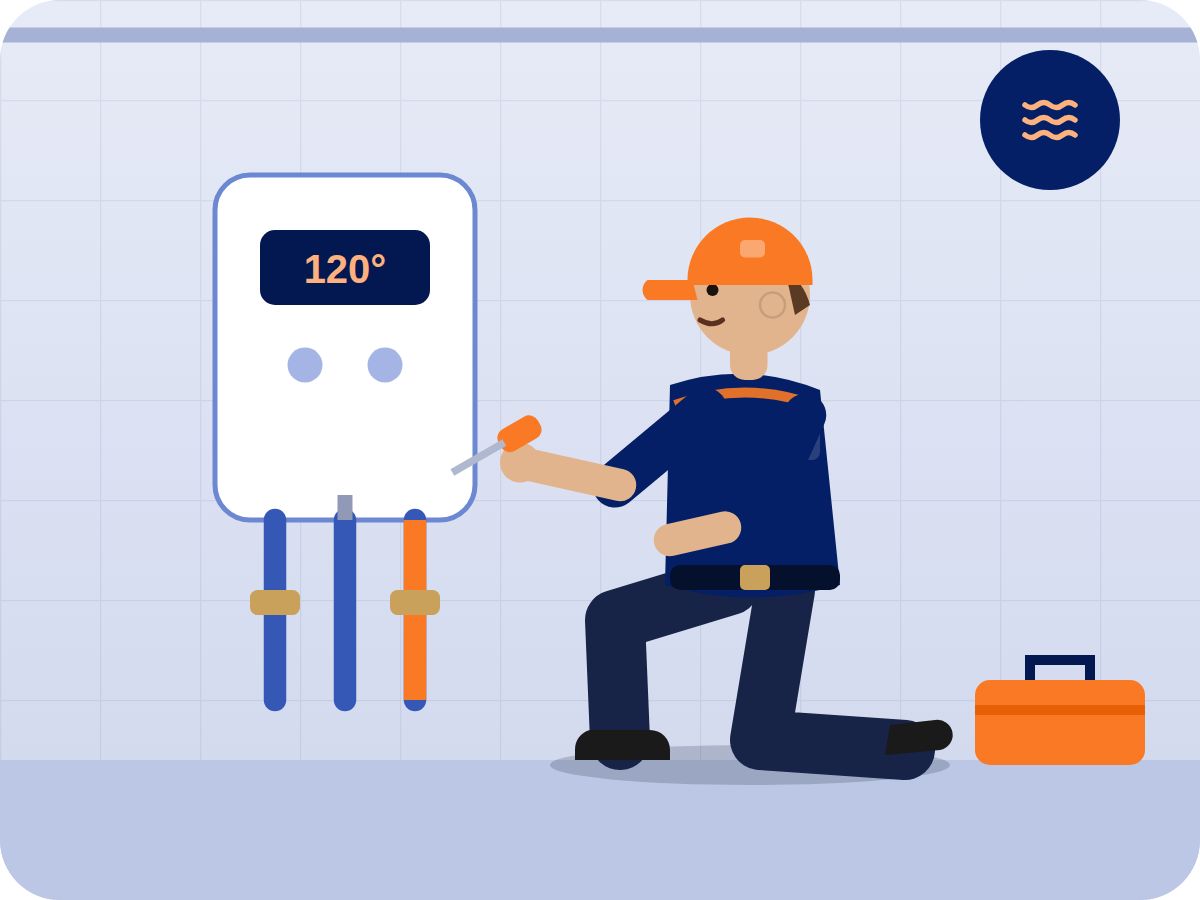
Most emergency calls across Indiana involve tank-style heaters in basements, garages and utility closets, where water can travel under walls and into finished flooring before anyone notices. Tankless units leak too, usually from fittings or the heat exchanger, and that water tends to run down the wall instead of pooling on the floor.
A leak does not always mean the heater is finished. Plenty of emergencies end with a new valve or fitting and a dry floor the same day. The visit simply moves faster because water is still moving. If you are still working out what kind of help you need, our Indiana water heater leak repair overview covers every service in one place.
How is an emergency leak stopped and repaired?
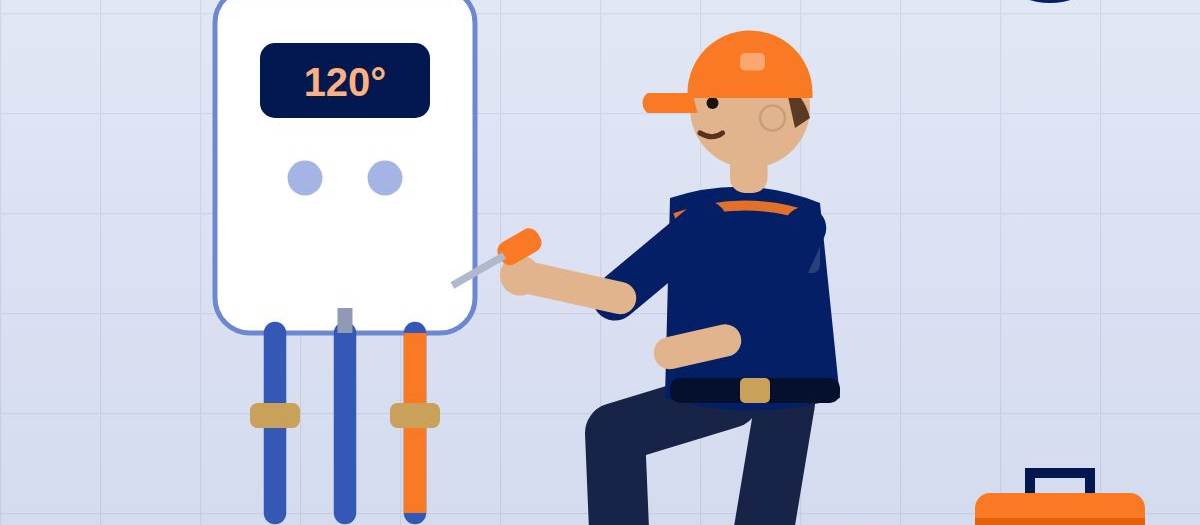
Every emergency visit follows the same sequence: control the water, control the energy, find the source, then repair or replace.
Isolating the water
The cold-water shutoff above the tank stops new water from flowing in. If that valve is stuck or leaking itself, the technician closes the main shutoff for the house instead. On a tankless system, the isolation valves under the unit do the same job.
Making the heater safe
Electric units are switched off at the breaker. Gas units are turned to off or pilot at the gas control. Water around a powered heater is a shock and burn risk, which is why this step always comes before any inspection.
Relieving pressure and draining
Opening a hot-water tap upstairs lets air into the lines and takes pressure off the tank. If the tank itself is leaking, it gets drained through the drain valve with a hose run to a floor drain or outside, so the remaining water leaves where it should instead of across the floor.
Pinpointing and fixing the source
With the area dried off, the source usually becomes clear. Loose or corroded connections on top are tightened or replaced. A dripping relief valve is tested and swapped, which is covered in more detail on our valve and component repair page. Water seeping from the tank body or from under the outer jacket means the inner tank has rusted through, and the only safe fix is replacing the water heater.
8 signs a leak has become an emergency
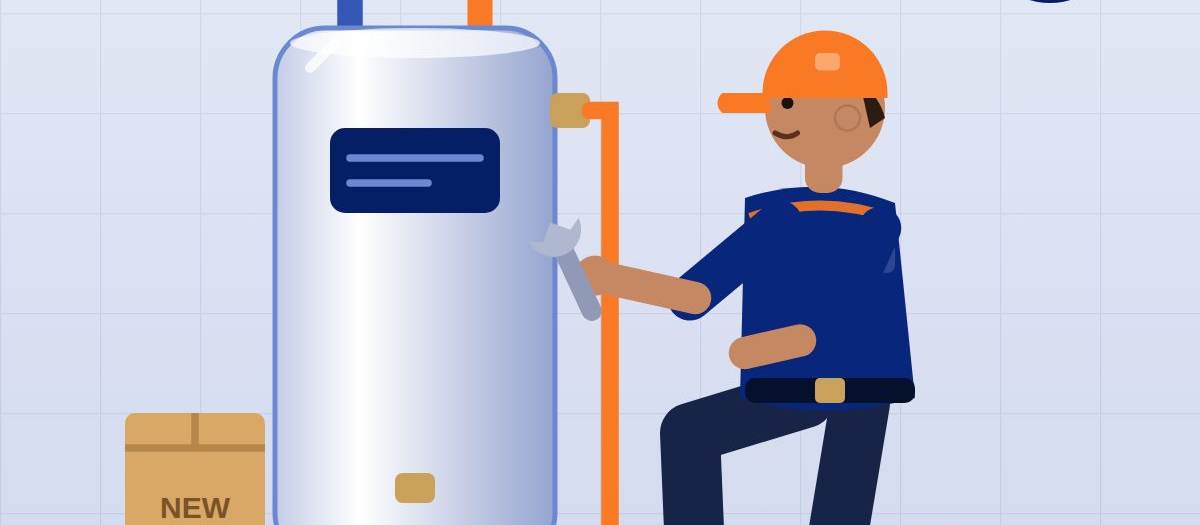
A slow drip can usually be scheduled. These signs mean it is time to shut things down and call now.
- Water spreading across the floor. A puddle that keeps growing is more than condensation or a loose fitting.
- A steady stream from the relief valve pipe. The pipe running down the side of the tank should stay dry almost all the time.
- Water coming from under the outer jacket. This usually points to a failed inner tank, not a part that can be swapped.
- Hissing or spraying from the top fittings. Pressurized water can soak walls, shelves and anything stored nearby.
- Water near outlets, cords or the breaker panel. Stay out of the water and let a pro deal with the power.
- Rusty water at the base and at your hot taps. Rust inside and out often means corrosion has reached the end of the tank's life.
- Water dripping onto a gas burner. It can put out the flame or damage the burner and controls.
- Soaked drywall, carpet or basement flooring. Water that reaches finished surfaces needs drying quickly to avoid lasting damage.
If two or more of these show up together, treat the situation as urgent even if the flow looks small.
What causes a water heater to start leaking suddenly?
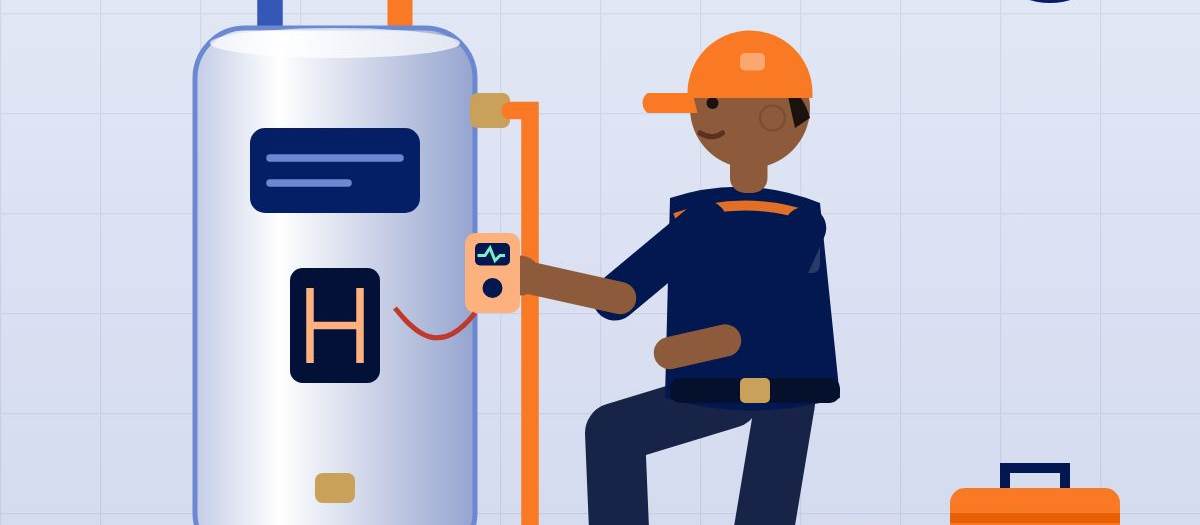
Sudden leaks rarely come out of nowhere. Most are the final stage of a problem that has been building quietly for months or years.
- Internal corrosion. Once the anode rod is used up, the steel tank starts rusting from the inside. When rust breaks through, a seep can become a steady flow within hours.
- Too much pressure. Homes with a closed plumbing system and no thermal expansion tank see pressure spikes every time the heater runs. That stress forces the relief valve open and wears out fittings.
- Worn valves and connections. Relief valves, plastic drain valves and the fittings where copper pipe meets the steel tank all wear out on their own schedule, often well before the tank does.
- Sediment overheating the tank floor. Central Indiana has hard water, and the minerals settle at the bottom of the tank. A thick layer traps heat against the steel and stresses it over time. Regular flushing and maintenance keeps that layer thin.
- Freezing. Heaters and supply lines in garages or unheated spaces can split during a hard freeze, which central Indiana sees most winters.
Safe checks you can do before help arrives
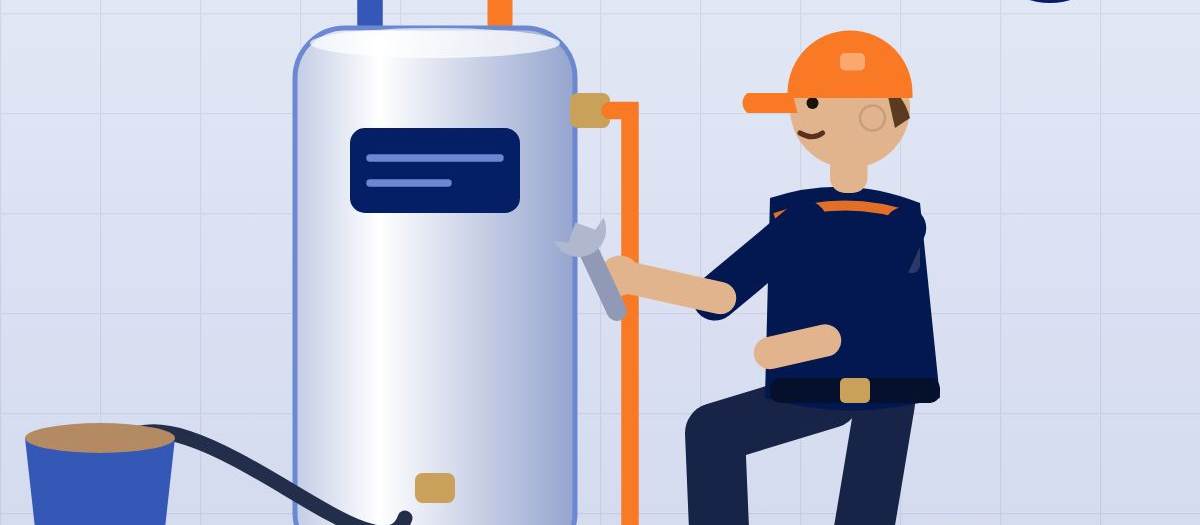
These steps limit damage and make the repair faster. None of them require tools.
- Close the cold-water shutoff. It is on the pipe entering the top of the heater. Turn it clockwise until it stops.
- Cut the power or gas. Switch off the breaker for an electric unit, or set the gas control knob to off or pilot.
- Stay clear of water near electrical parts. If water has reached an outlet or the panel, do not walk through it.
- Open a hot-water tap. Any sink upstairs works. This relieves pressure in the tank and lines.
- Protect the area. Move stored boxes, mop up what you can and lay towels around the base.
- Photograph the rating label. It shows the brand, model and age, which helps the provider bring the right parts.
Smell gas? Leave the house and call your gas utility or 911 from outside. Do not touch light switches or try to relight anything.
Leave the draining to the pro. Water inside the tank can be hot enough to scald, and an old drain valve can break off when opened.
What happens during an emergency visit?
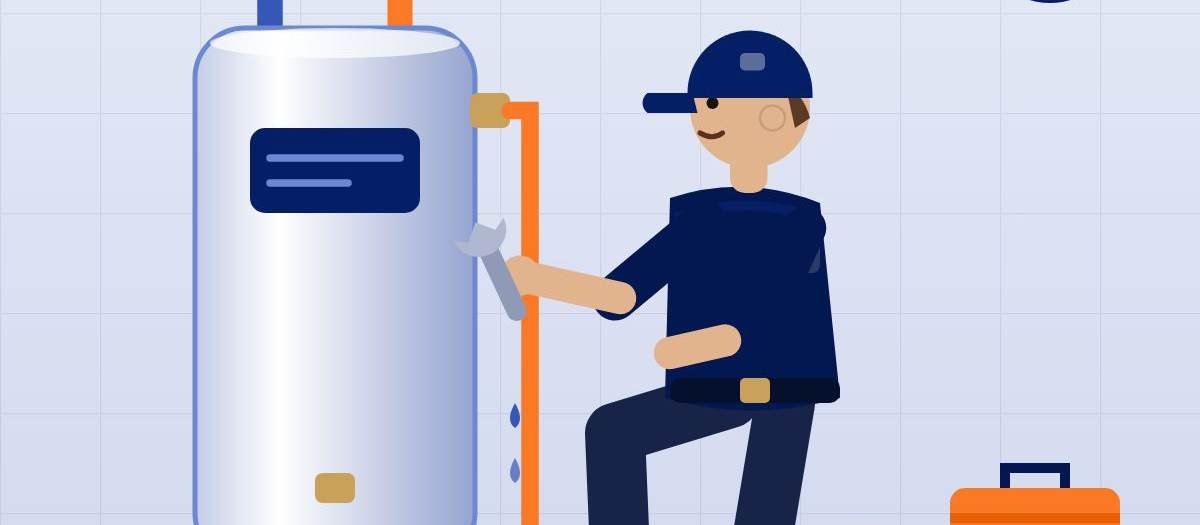
Providers work a little differently, but a typical emergency visit runs in this order.
- Safety check. The technician confirms the water and the power or gas are off and checks for water near electrical parts.
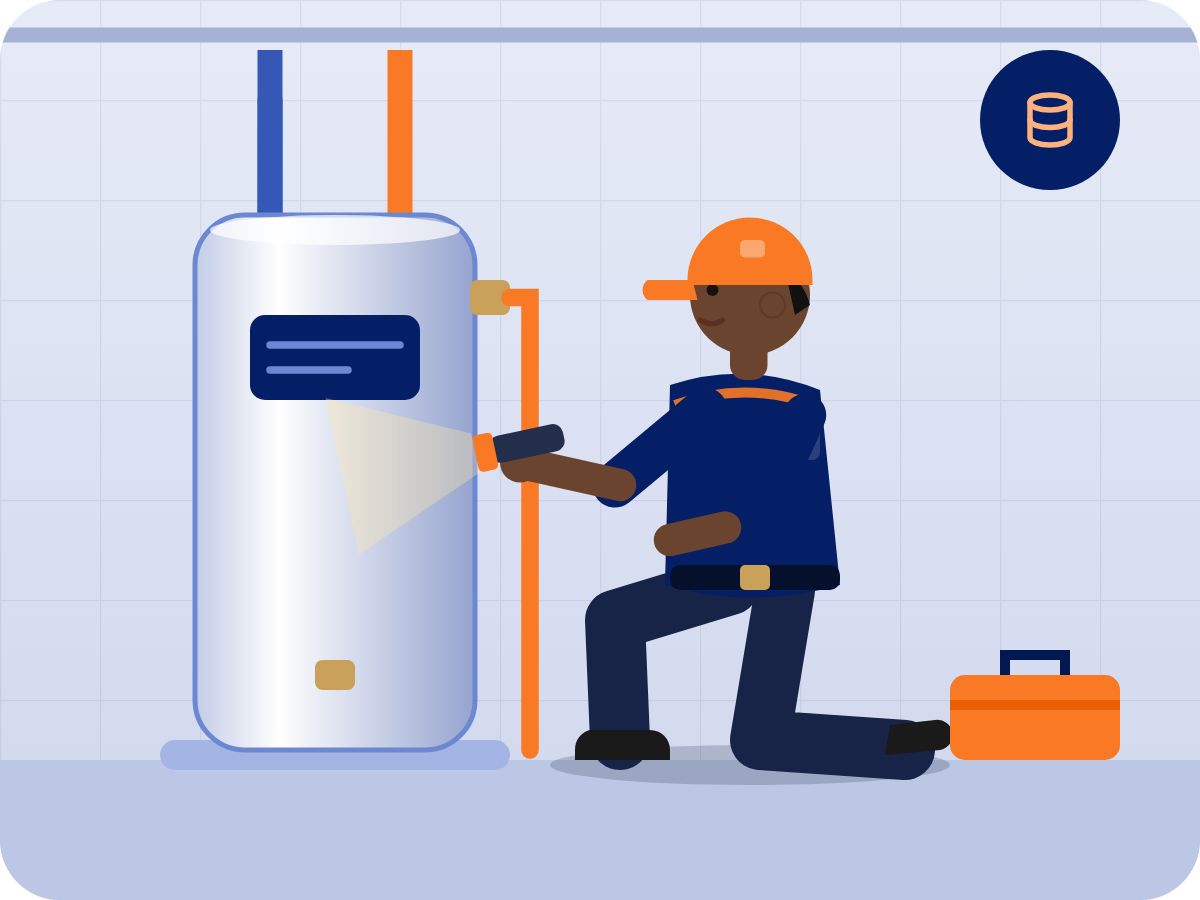
- Find the source. The area is dried and the leak is traced to a fitting, a valve, the tank body or, on tankless units, the heat exchanger or a service valve.
- Explain the options. You hear what failed, whether it can be repaired and what it will cost before any work starts.
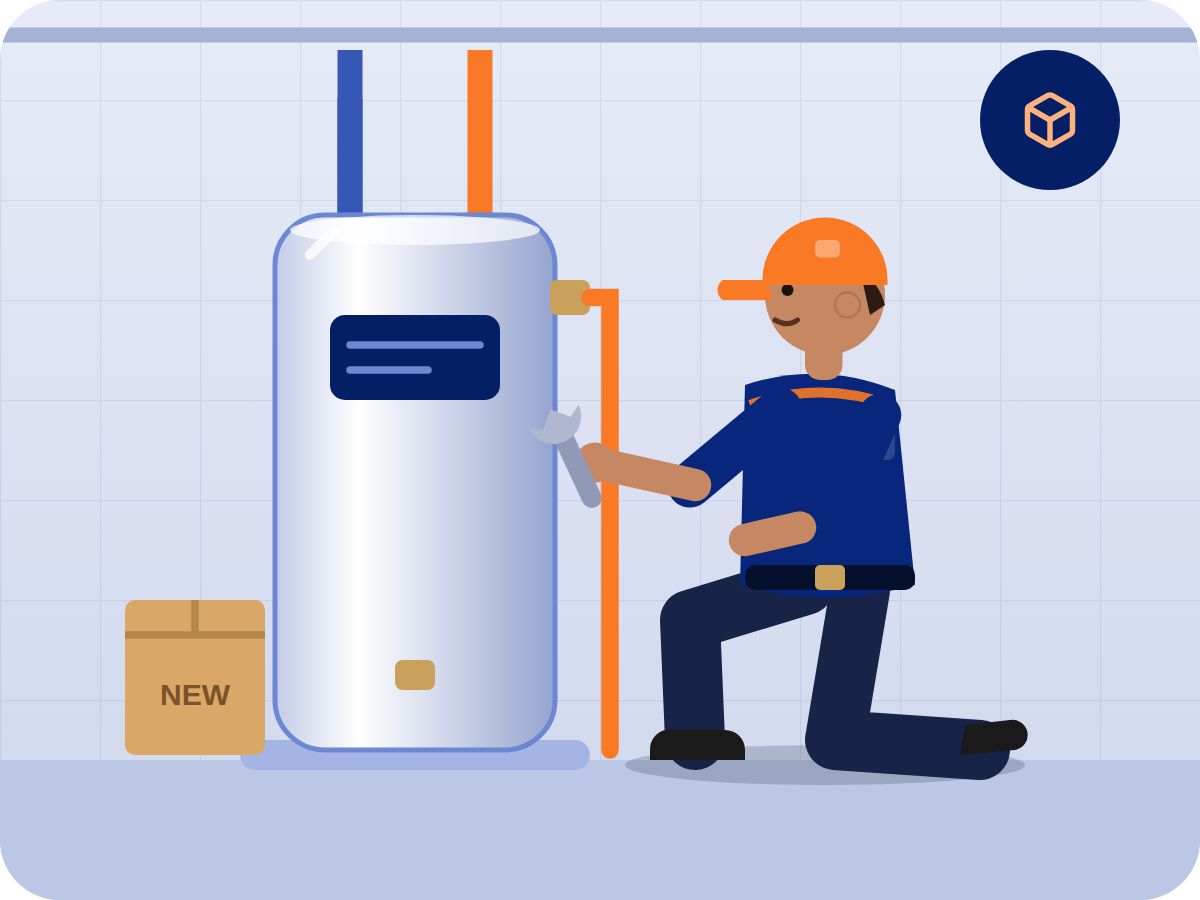
- Repair or replace. Small parts are often replaced on the spot. If the tank has failed, a replacement is arranged, which may include a drain pan, an expansion tank or venting updates to meet current code.
- Test and clean up. The heater is refilled, checked for leaks under full pressure and brought back up to temperature.
Before work begins, ask the provider to confirm their licensing and to put any warranty in writing.
What affects the cost of an emergency leak repair?
Prices vary from one provider to the next, so always ask for a quote first. These factors move the total the most.
| Factor | How it affects the price |
|---|---|
| Where the leak is | A fitting or valve costs far less than replacing the whole heater. |
| Time of the call | Many providers charge more for nights, weekends and holidays. |
| Type of heater | Tankless, gas and high-capacity units need different parts and skills. |
| Access | Attics, crawl spaces and tight closets take longer to work in. |
| Water damage | Drying out and repairing flooring or drywall is usually a separate cost. |
| Code updates | A replacement may need a drain pan, expansion tank or venting changes. |
When is it a true emergency, and when can it wait?
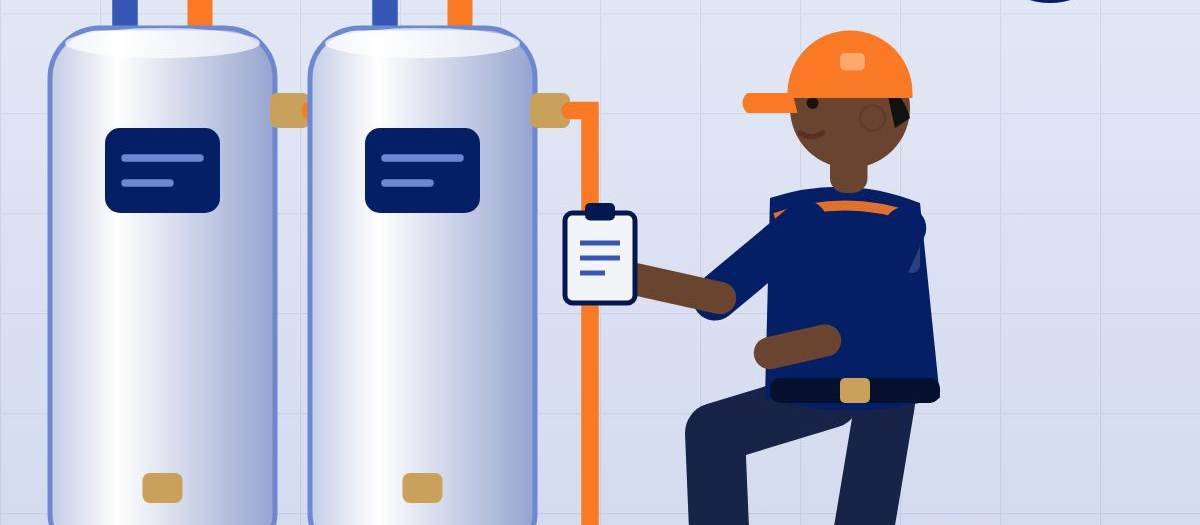
Call right away if water is spreading, the tank body is leaking, water is near electrical parts or you smell gas. A few drops at a fitting or a damp spot under the drain valve can usually wait for a scheduled visit, as long as you check it daily and it is not getting worse.
Gas heaters can also drip condensation when a tank full of cold water first heats up, and that usually dries on its own within an hour. If you are not sure which one you are looking at, close the cold supply and call. Describing what you see takes a minute and helps the provider decide how quickly to come out.
Emergency leak questions
Can I keep using hot water while my water heater is leaking?
Not if the leak is steady. Using hot water makes the heater refill and keep running, which can make the leak worse. Shut off the cold supply and the power or gas until someone has looked at it.
Is a leaking water heater dangerous?
It can be. Water near outlets is a shock risk, the water inside the tank is hot enough to scald, and water dripping onto a gas burner can damage the controls. A relief valve that keeps discharging is a warning sign worth taking seriously.
How long does an emergency leak repair take?
Replacing a valve or fitting is often finished in a single visit. A full replacement takes longer, especially when venting or code updates are needed. Your provider can give a time estimate once they have seen the heater.
Does homeowners insurance cover water heater leak damage?
Policies differ. Many cover sudden water damage to the home but not the worn-out heater itself. Take photos before you clean up and check with your insurer.
Why is water coming out of the relief valve pipe?
The relief valve opens when temperature or pressure inside the tank gets too high, or when the valve itself is worn. A steady flow needs attention right away. Our valve repair page explains what the fix usually involves.
Can a tankless water heater have an emergency leak?
Yes. Tankless leaks usually start at fittings, isolation valves or a scaled heat exchanger. The shutdown steps are the same: close the isolation valves, cut the power or gas and call. See tankless water heater leak repair for details.